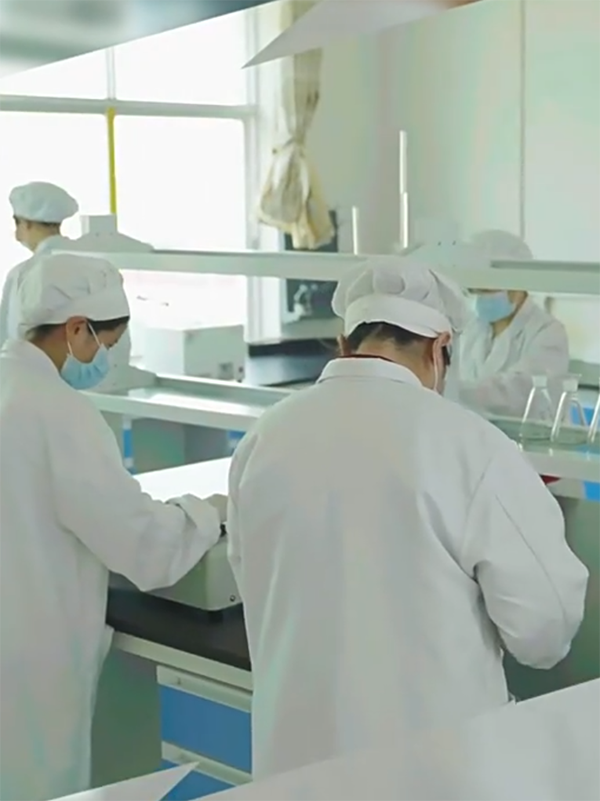
Research and Development
Research and Development Strategies for Export-Oriented Food and Food Additive Companies
The global food and food additive industry is highly competitive, with stringent international standards and diverse consumer preferences. For export-focused companies, excelling in research and development (R&D) is not just an advantage but a necessity. Here are key strategies to build a robust R&D framework that drives successful market expansion.
1. Market-Driven Product Innovation
Understanding and anticipating global market demands is the cornerstone of effective R&D. This involves:
· Leveraging Data and AI: Use artificial intelligence to analyze trends, predict consumer preferences, and optimize product design. .
· Cultural Adaptation: Tailor products to regional tastes and regulations.
· Creating Value-Added Products: Focus on high-margin segments.
2. Structured R&D Processes
A systematic approach to product development ensures efficiency and scalability. Key steps include:
· Integrated R&D Pipelines: Adopt stage-gate models (e.g., Mytech Biotech’s IPD system) spanning concept, planning, development, validation, and launch. This minimizes risks and aligns projects with market needs.
· Cross-Functional Collaboration: Involve supply chain, marketing, and regulatory teams early.
· Rapid Prototyping and Testing: Accelerate feedback loops.
3. Technology and Sustainability Integration
Innovation in technology and sustainable practices enhances competitiveness:
· Advanced Food Engineering: Utilize extrusion, rheology, and spectroscopy (e.g., Thermo Fisher solutions) to optimize texture, shelf life, and nutritional profiles.
· Circular Bioeconomy: Convert agricultural biomass into novel ingredients. Teagasc explores protein extraction from crop/animal residues to create value-added products.
· Clean-Label Formulations: Develop natural additives (e.g., stevia sweeteners) to meet demand for transparency.
4. Quality Control and International Compliance
Meeting global standards is non-negotiable for export success:
· Certifications and Traceability: Obtain ISO, HACCP, BRCGS, and halal certifications.
· Supply Chain Oversight: Implement raw material tracking and batch testing.
· Digital Compliance Tools: Deploy AI for real-time regulation monitoring.
5. Collaborative Ecosystems
Partnerships amplify R&D impact:
· Public-Private Research: Collaborate with universities and institutes.
· Industry Alliances: Join consortia like Nonghyup Food R&D (South Korea), which helps local cooperatives develop export-ready “K-Food” with shared branding.
· Global Talent Networks: Hire experts in molecular biology, nutrition, and regulatory affairs.
For food and additive exporters, R&D is a strategic engine fueled by market intelligence, technology, and collaboration. By embedding agility, sustainability, and compliance into their innovation DNA, companies can not only navigate global complexities but also become trendsetters in the evolving food industry.